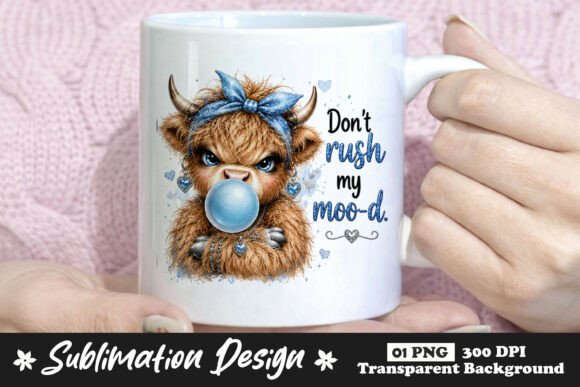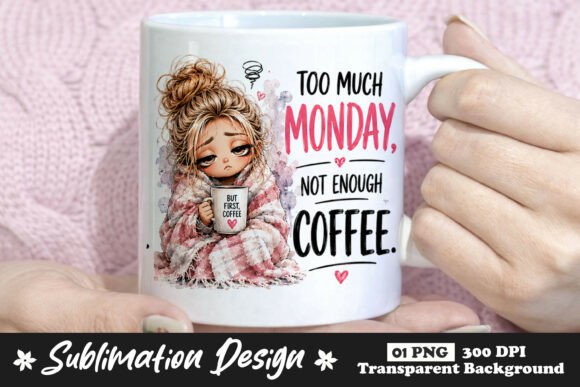
Too Much Monday Not Enough Coffee PNG
A Too Much Monday Not Enough Coffee PNG is a digital graphic file designed for use in print-on-demand, craft projects, or apparel customization. The phrase captures a relatable, lighthearted sentiment about weekday fatigue—particularly the Monday morning slump—and is rendered in a clean, scalable format ideal for sublimation, heat transfer, or direct-to-garment printing. As a PNG file, it features a transparent background, enabling seamless layering over varied base colors and textures without manual cropping or editing.
This specific design is offered as a high-resolution digital download: 300 DPI resolution ensures sharp detail when printed at common sizes (e.g., standard t-shirt chest prints, mugs, tote bags, or laptop sleeves). It is not a physical product—no item ships upon purchase. Instead, buyers receive instant access to one or more PNG files optimized for commercial or personal crafting use, depending on the license terms provided by the seller.
Why Someone Might Consider This Design
Individuals exploring this design typically fall into one of several practical categories:
- Crafters and small-business owners building a themed product line around office humor, coffee culture, or relatable workplace sentiments.
- Teachers, nurses, or service professionals seeking lighthearted, non-offensive apparel to express shared experiences with colleagues or students.
- DIY enthusiasts creating custom gifts—like mugs or tumblers—for friends who joke about surviving Mondays with caffeine.
- Content creators or educators using the visual as part of a presentation, social media post, or classroom material illustrating tone, typography, or digital asset usage.
The appeal lies less in novelty and more in functional resonance: the phrase communicates a widely understood emotional state, and the PNG format delivers technical readiness for production workflows.
Key Benefits and Realistic Expectations
Using a Too Much Monday Not Enough Coffee PNG offers tangible advantages—but only when aligned with appropriate goals and constraints.
Benefits include:
- Time efficiency: No need to design from scratch; the file is ready for immediate upload to print platforms like Printful, Printify, or Cricut Design Space.
- Consistent quality: At 300 DPI and in PNG format, it avoids pixelation or jagged edges when scaled appropriately for common print areas (e.g., 8" × 10" or smaller).
- Design flexibility: Transparent background allows placement on light, dark, or patterned substrates without background interference.
- Cost predictability: Digital downloads eliminate shipping fees, inventory risk, or minimum order quantities.
Tradeoffs and considerations:
- Limited customization: Unless editable layers are included (which most basic PNG bundles do not provide), users cannot easily change fonts, colors, or layout elements without graphic design software and skill.
- Licensing scope matters: Some sellers restrict commercial use or require attribution. Always verify whether the license permits resale of finished products—especially important for entrepreneurs.
- Design saturation: Phrases like “Too Much Monday” appear across many marketplaces. While familiar, they may lack distinctiveness in crowded niches (e.g., Etsy shops selling coffee-themed apparel).
- Print compatibility varies: Sublimation works best on polyester or polymer-coated items. On cotton garments, heat-transfer vinyl or screen printing may be needed—requiring different file preparation (e.g., vector conversion or color separation).
When This Design Is a Strong Fit
A Too Much Monday Not Enough Coffee PNG aligns well with projects where speed, clarity, and thematic consistency outweigh the need for originality or deep personalization. It suits:
- Small-batch test runs before committing to custom illustration.
- Seasonal or timely product launches (e.g., back-to-school or new-year collections targeting routine-driven audiences).
- Situations requiring fast turnaround—such as last-minute staff appreciation gifts or conference swag with minimal lead time.
- Beginners learning sublimation workflows who benefit from pre-optimized, print-ready assets.
In these cases, the design functions less as a unique brand statement and more as a reliable, low-friction component within a broader production system.
When Alternatives May Be Worth Exploring
Consider other options if your goals emphasize differentiation, scalability, or long-term brand development:
- Custom illustration: For businesses building recognizable visual identity, investing in original artwork—even with similar messaging—supports trademark potential and audience recall.
- Vector-based files (e.g., SVG or EPS): If you plan frequent resizing across formats (e.g., embroidery digitizing or large-format signage), vector assets offer infinite scalability without quality loss.
- Editable source files (e.g., PSD or AI): When team members need to adjust text, spacing, or color palettes regularly, layered files improve collaboration and iteration speed.
- More nuanced messaging: If your audience responds better to specificity—e.g., “Too Much Data, Not Enough Coffee” for tech teams—a tailored phrase may increase relevance and engagement.
Making an Informed Decision
Before adding a Too Much Monday Not Enough Coffee PNG to your cart, ask yourself:
- What is the primary use case? (e.g., single-use gift vs. recurring product SKU)
- Do I have—or can I obtain—the tools and knowledge to prepare this file for my intended printing method?
- Does the license permit my planned usage, especially if selling finished goods?
- Is this design serving a short-term need or supporting longer-term branding goals?
If the answer to the first three leans “yes,” and the fourth is “short-term,” then this digital download is likely a practical choice. If branding, scalability, or legal certainty are top priorities, allocating time or budget toward custom assets may yield stronger returns over time.
Remember: digital files like this one are tools—not solutions. Their value emerges from how thoughtfully they’re integrated into your process, audience needs, and production capabilities.